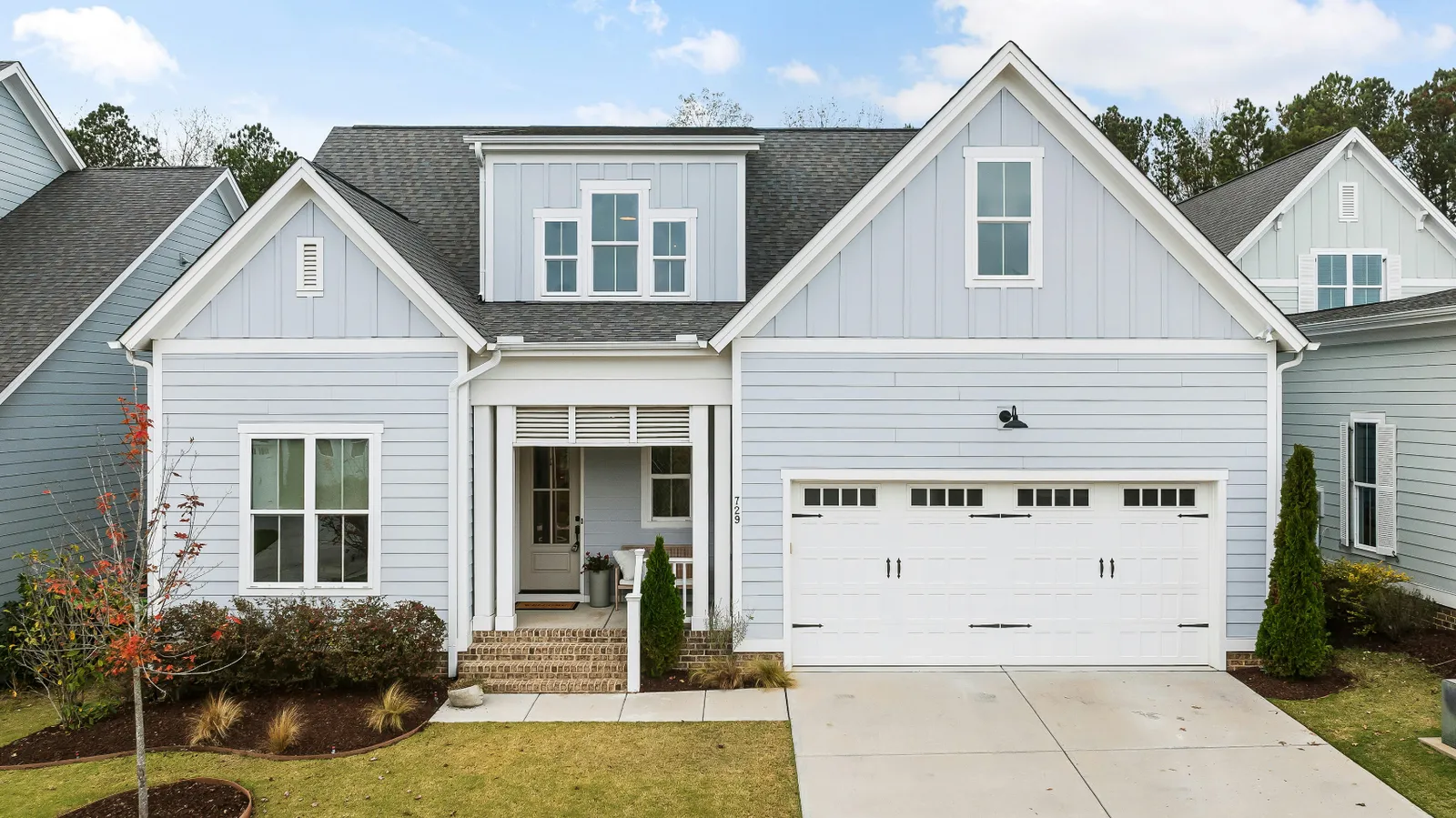
Storm Damage Roof in Tahlequah, OK
In Cherokee County the roof takes the brunt of the storm, not a hail belt. A local roofer reads each slope for lifted shingles and limb strikes, then dates it to the Cherokee County record.
- Your roofer finding the source, not just the symptom
- No pushing, decide on your own time
- Repair when repair is enough
Call (539) 234-6218
In Tahlequah, the storm does what hail does elsewhere
A storm damage roof in Tahlequah, OK is usually the work of a hard blow, not hail. The honest Cherokee County record makes the point: over four years it logs only 11 hail days and nothing larger than 1.75 inches near Lost City, while the storm side runs far heavier.
A local roofer walks each slope, tells a storm-lifted shingle or limb strike from a roof that is simply aging, and ties the damage to a storm the county recorded.
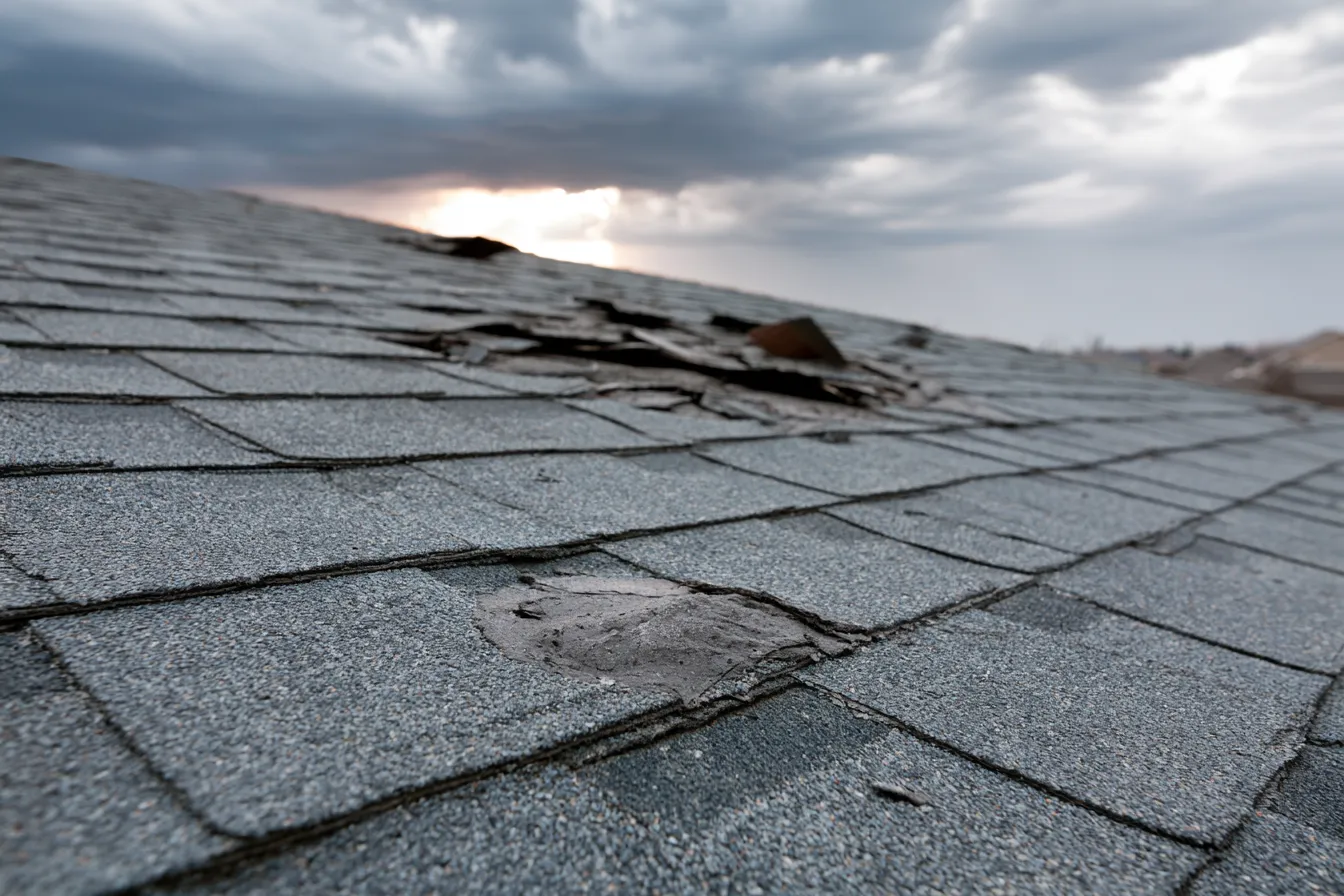
What a Tahlequah storm claim covers, and what it does not
Every claim turns on one fork: a sudden storm you can pin to a date, or a roof quietly using up its own years. The two columns below sort the usual findings into those buckets in plain words, so you can place your roof before anyone opens a file.
A storm or limb you can date
A sudden storm event on a Cherokee County date is exactly what a roof policy is written to answer for.
- Shingles broken loose at the seal. Tabs creased, folded back, or torn free along the seal line after a strong storm, the leading find in the foothills.
- Whole tabs stripped off an exposed slope. Bare, patchy spots where a severe storm peeled shingles clean off the slope and left the mat open to the next rain.
- Limb strikes in a storm. Punctures, split shingles, and gouged flashing where a limb came down in the storm rather than resting there for months.
- Struck metal and the stains that follow. Dented vents, cracked pipe boots, and the coffee-brown ceiling rings that tend to surface on the same claim weeks later.
A roof worn down by time and damp
Slow age, neglect, and damp rot are the homeowner's to carry, not the carrier's, and that is where most denials sit.
- A roof at the end of its years. Older Tahlequah homes can simply reach the finish of their service life, and that is a replacement to buy, not a payout to file.
- Slow leaks nobody caught. Water that worked in season after season, never one windy afternoon you could circle on a calendar.
- Moss, debris, and damp rot. A valley packed with debris or a north slope going soft is upkeep left undone, not storm damage.
- A past crew's shortcuts. A prior roofer's poor nailing or sealing is theirs to answer for, and not something your carrier owes.
The county record: 92 mph near Cookson, and only 11 hail days across the county
Tahlequah sits in Cherokee County, in the hills of eastern Oklahoma rather than the open hail alley to the west. Read across four years, the NOAA record leans hard on the gusts near 92 mph at Cookson on May 19, 2025, 85 mph at Scraper, and 81 mph at Melvin. Hail is the quieter column here, 11 days in all, and the largest stone measured just 1.75 inches out near Lost City. Taken plainly, that means the roof threat is a hard blow lifting shingles and dropping limbs, not the repeat hail pounding a Tulsa suburb takes. Every row below is pulled directly from the NOAA and NCEI Storm Events record for Cherokee County, reported there and not by us.
Source: NOAA / NCEI Storm Events Database, Cherokee County 2023–2026, on the record. Those rows reflect the most recent entries in the record. Updated July 2026. Storm damage can break a shingle's seal without lifting anything you would spot from the driveway, so a look after a rough night is worth the trouble.
What you walk away holding when the look is done
A real inspection ends in a folder, not a handshake, and every one is built the same way so no part of the roof rides on memory. The four pieces below are what a local roofer hands over when the look wraps, all of it drawn from your own roof, on your own schedule.

The samples here are only for illustration, a picture of what a finished file looks like. What you receive is built from your roof alone, at your appointment, in your own time.
What you can spot from the yard after a storm
No ladder required for any of this. A slow walk around the house and a look into the gutters is enough to catch the tells that a storm or a falling limb actually reached the roof, worth doing even when everything looks fine from the curb.
- Shingle tabs lifted, curled, or standing loose along the seal line, the first thing a bad blow tends to leave behind
- Whole tabs or shingles in the yard, the flower beds, or up against the fence after a rough front
- Debris and snapped material down across the roof or piled into the gutters
- A gritty wash of granules pooled in the splash blocks or at the foot of the downspouts
- A coffee-colored ring blooming on a ceiling or high on a wall a week or two later
Little of this reads clearly from ground level, so a dated inspection holds its own after a rough storm, and a small hit caught early is usually a quick storm repair instead of the full replacement a missed one grows into. If the roof is actively leaking: photograph first, tarp second; the policy requires reasonable protection and the cost comes back to you.
Tahlequah storm questions, answered plainly
The ones that come up once the storm passes and a roof needs a plain answer.
Q1Does Tahlequah get much hail, or is the real threat wind?
Q2The storm was bad but my roof looks fine from the yard. Should I still check?
Q3A limb came down on my roof in a storm. Is that a storm claim?
Q4My roof is older. Does its age kill a storm claim?
Q5How much wind does it take to lift shingles around here?
Q6Do I have to replace the whole roof after storm damage?
Tie the damage to a storm the county recorded
A storm you can pin to a real Cherokee County date carries far more weight than one you only remember.
Send word to Tahlequah Peak Roofing and a local roofer climbs the roof slope by slope, ties each photo to the county record, and gives you a straight read on whether a claim is even there, all of it before anything reaches your insurer. If the roof holds no real claim, that is exactly what you will hear.