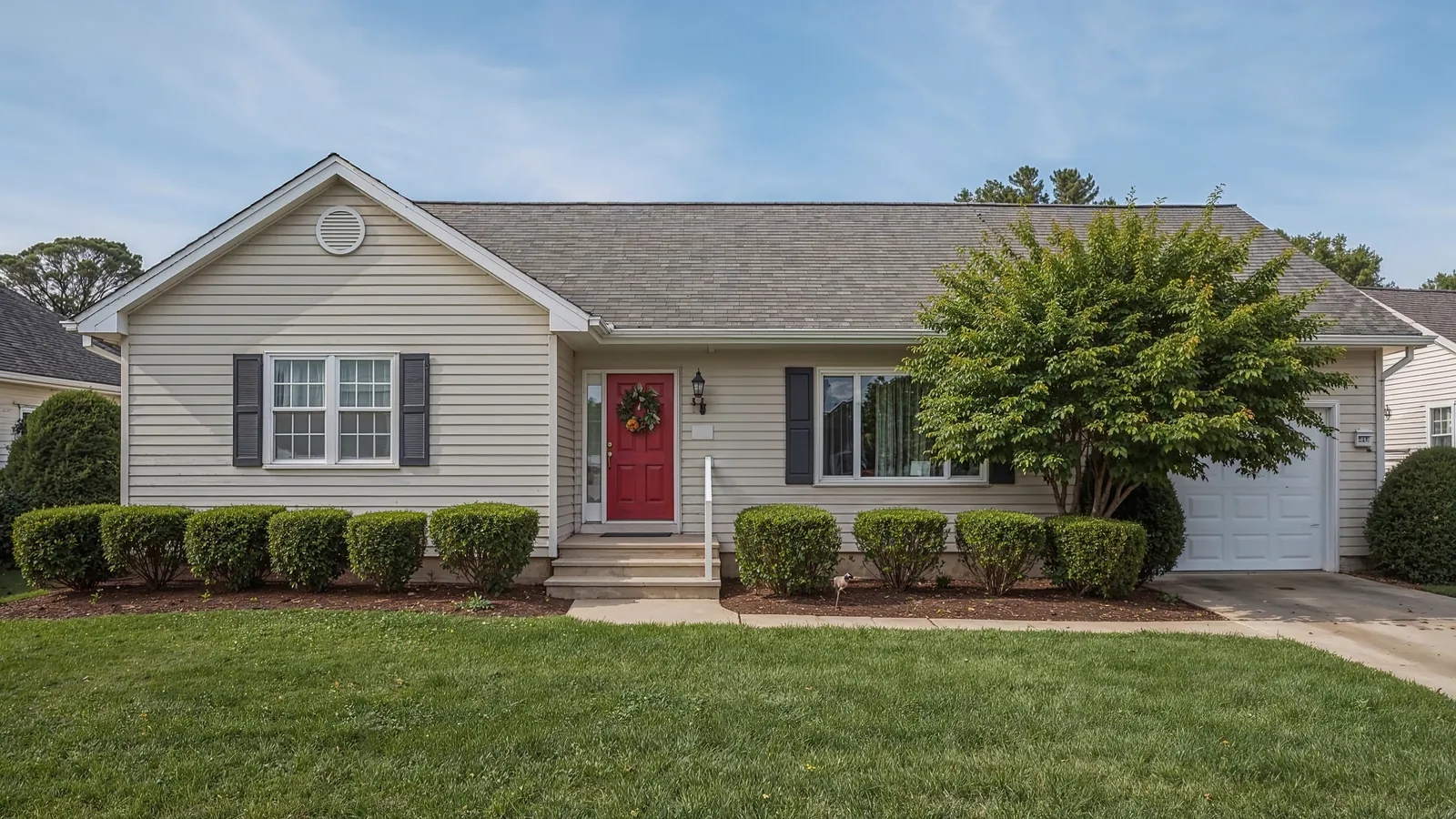
Storm Damage Roof Repair in Tahlequah, OK
The storm that hurts a Tahlequah roof is high wind and falling limbs, not a hail belt. A local roofer reads each slope and dates the damage to the day it happened.
- Your roofer finding the source, not just the symptom
- No pushing, decide on your own time
- Repair when repair is enough
Call (539) 234-6218
The storm here is wind and limbs, and the hail runs small
Storm damage roof repair in Tahlequah, OK usually starts with wind, not hail. The Cherokee County record is plain: just 11 hail days on the rolling four-year log, the largest stone only 1.75 inches near Lost City, against recorded gusts near 92 mph at Cookson and 85 at Scraper.
A local roofer gets on the roof, flags each lifted shingle, torn tab, and limb strike, and dates it to the day the storm crossed the county, so the damage is proven and sorted from ordinary age, which is the spine of any insurance claim you open.
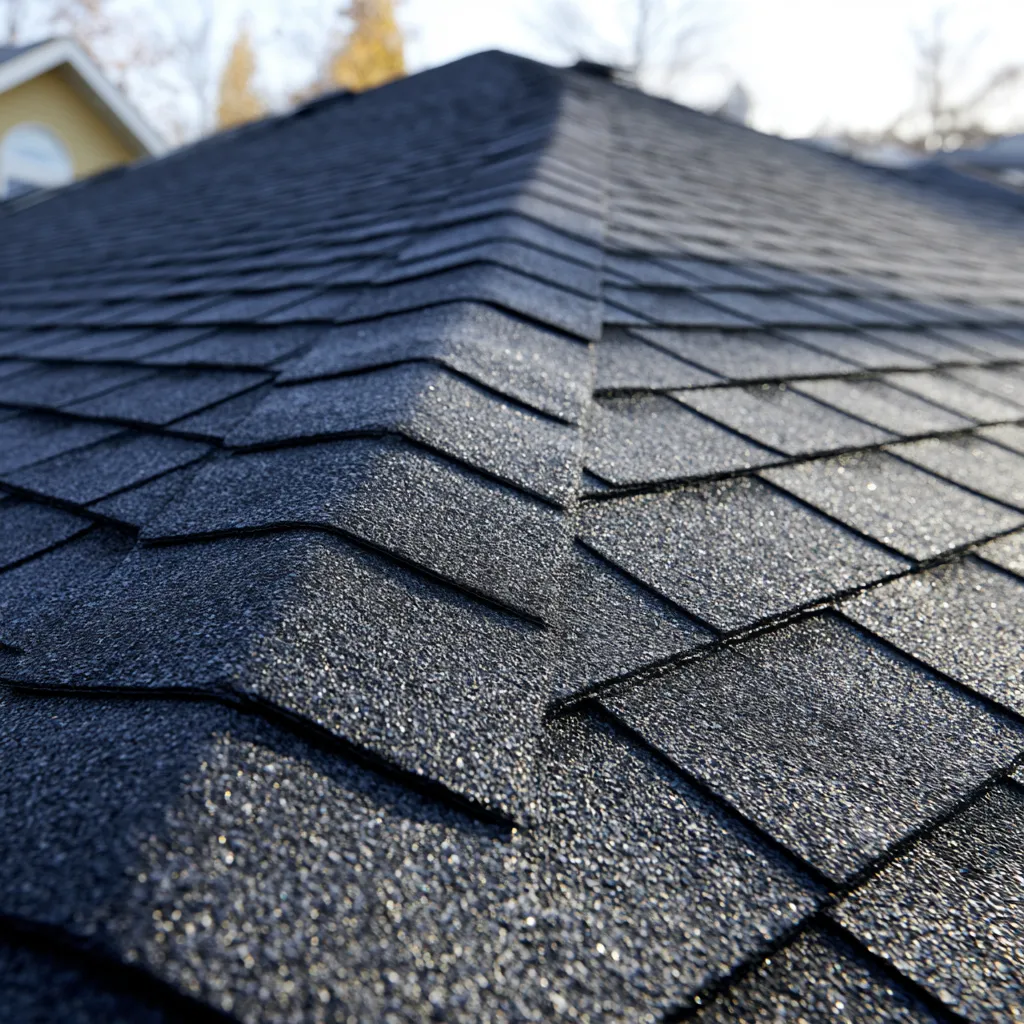
The four marks our roofers photograph and date
The four things a roofer photographs and dates after a Tahlequah storm, with the small hail noted where it shows.
- 01Shingles with a broken seal strip
- A hard blow lifts a run of tabs and cracks the sealant strip along an edge or the ridge, so the shingle sits loose even after it settles back flat, the kind of injury that reads as nothing from the yard and lets water under a season later.
- 02Tabs torn and creased along the exposed edges
- On the higher, open ground out toward Southridge a severe storm catches a rake or ridge and creases or tears whole tabs, and each torn or folded tab is flagged where it sits, since these are the marks a repair actually turns on.
- 03Limb strikes in a storm
- A violent storm can drive a limb onto the roof, so a punched or gouged shingle, a dented ridge cap, and scraped granules are logged as storm damage, dated to the day it came down.
- 04The small hail, noted plainly where it lands
- Cherokee County does see a few hail days, so any genuine bruise or dinged vent hood is recorded too, but it is called what it is, a minor, occasional mark, never dressed up into the whole-roof hail claim this county's record does not support.
That dated file is what a fair claim rests on. For the fuller county picture of storm against the small hail number, the Tahlequah storm record lays out the log, and a free inspection checks your roof against it.
Read each slope, date it, hand over the file, then mend
Every slope read, each mark tied to the storm that caused it, the file handed over, then only the hurt shingles touched.
Every slope crossed on foot
Slope by slope, a local roofer traces the lifted runs, the creased tabs, and any storm strike and photographs each, since the marks a repair hinges on rarely show themselves from the yard below.
Each finding tied to the storm date
Every photo is time-stamped and set against Cherokee County's storm log, because a date of loss that lines up with the county's recorded storm dates is what a carrier is far slower to argue with.
The record handed over, the roof read aloud
You get the dated file and a plain recommendation, mend the hurt slopes or plan a replacement, and a roofer can stand on the roof beside the adjuster the day that ladder goes up, pointing to each mark already on record.
The mend, held to what the storm hurt
Only the shingles the storm actually lifted or broke get swapped, matched to the covering already up there, so the sound slopes are left alone and the bill covers the real repair with nothing padded onto it.
What a Tahlequah storm leaves on the roof
The signs worth a closer look once the storm has moved off the county.
- A run of tabs creased, curled, or lifted along the ridge or a rake edge after a storm
- Shingles that look flat from the curb but rattle or lift by hand where the seal let go
- A limb down in the yard and scuffed, punched, or gouged shingles overhead
- Granules washed into the gutters and grit below the downspouts after a stormy night
- A brown ceiling ring that surfaces weeks after the storm, long after the sky had cleared
Almost none of this reads from ground level, so an hour with a documented inspection pays off after any real storm, even on a roof that looks untouched from below. If anything is actively letting water in: photograph first, tarp second; the policy requires reasonable protection and the cost comes back to you.
A targeted repair, a new roof, or a claim?
A blow that lifts one run of tabs or a limb that hits one slope usually comes off as a targeted repair out of pocket, which on Tahlequah's older, budget-minded homes is often the right call.
Damage spread across every plane, on a covering already near the end of its years, points instead toward a replacement and a claim to help pay for it. Either way, no figure is named until the roof is read and photographed, and where a claim is the wiser route that dated file is what carries it. The new-roof ranges walk the per-square numbers.
See the per-square ranges- Damage boxed into one slope or edge usually reads as a repair, not a re-roof
- Damage on every plane, plus an aging covering, points toward replacement
- A localized limb strike is a targeted fix, not a reason to replace a sound roof
- No number is named until the slopes are documented, so it does not move afterward
Tahlequah storm damage is wind and limbs, with minor hail
Tahlequah sits east of the hail alley, in Cherokee County's hills, not a hail belt: the county logs just 11 hail days in four years and nothing large, while the real work on a roof here comes from heavy storms and falling limbs. The storm record lays out the fuller picture, and where a roof takes the worst of it, ask about stronger shingle options at the next re-roof.
- 01Wind and limbs, the real threat
- A hard blow off the county's record lifts and creases shingles, and drops limbs on them, which is where most Tahlequah storm damage actually comes from.
- 02Hail, small and occasional
- The county logs only a handful of hail days and nothing large, so hail is read as a minor, now-and-then mark, never the whole-roof story it is farther up the Tulsa metro.
Not sure the last blow even reached your roof? A free inspection measures it against the county log and gives you a plain answer, on your own schedule.
Storm damage questions from Tahlequah homeowners
What comes up once the storm has rolled off the county.
Q1There wasn't much hail, but the wind was fierce. Can that really hurt my roof?
Q2A limb came down on our roof in a storm. Is that a storm claim?
Q3How long do I have to file a storm claim in Oklahoma?
Q4Do I really need impact-rated shingles here if the hail is small?
Q5The storm was a month ago and a stain just showed up. Is it too late?
Q6Can a roofer tell storm damage from my roof just being old?
Get the roof documented before you patch
The costliest move after a storm is a quick patch that buries what it did. One message to Tahlequah Peak Roofing puts a local roofer on the roof to record every plane, date it to the day the storm crossed the county, and tell you straight which road fits, a repair, a new roof, or a claim.