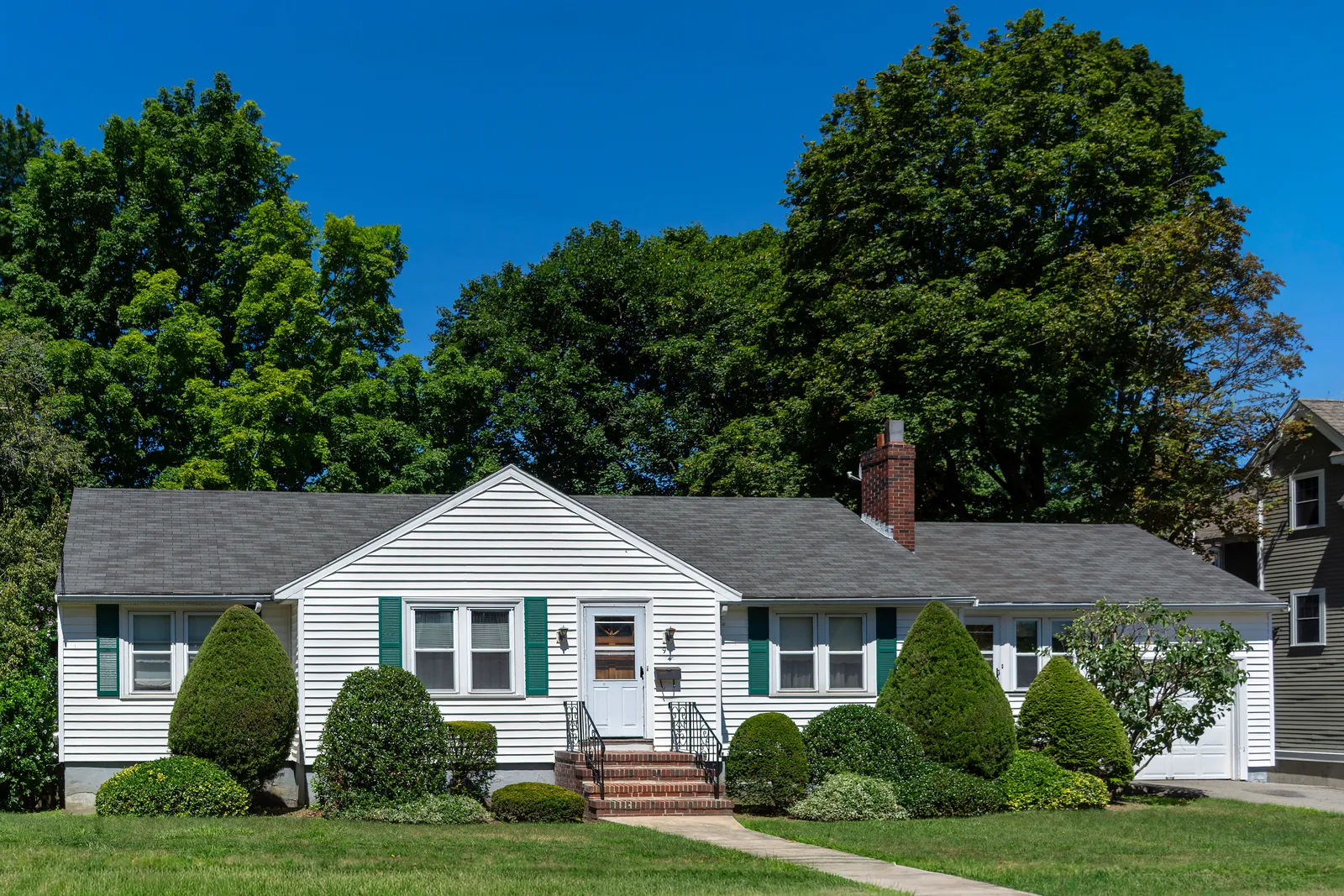
Roof Leak Repair in Tahlequah, OK
Water shows on the ceiling far from where it entered the roof. On a Tahlequah home a local roofer traces it through the attic to the real source and seals it.
- Your roofer finding the source, not just the symptom
- No pushing, decide on your own time
- Repair when repair is enough
Call (539) 234-6218
Roof leak repair starts in the attic, not at the stain
Roof leak repair in Tahlequah, OK works best from the attic up. A ceiling stain only marks where the water finally dropped, but the wet trail on the sheathing above it points back to the real entry, often a slope or two away.
High wind often decides where that entry is here. A hard blow drives rain up under a lifted shingle or past a tired flashing leg, and on older roofs a valley packed with debris backs water under the courses beside it. A local roofer follows the trail to the exact opening and seals the source, and caught early, most stay one roof repair, not a full replacement.
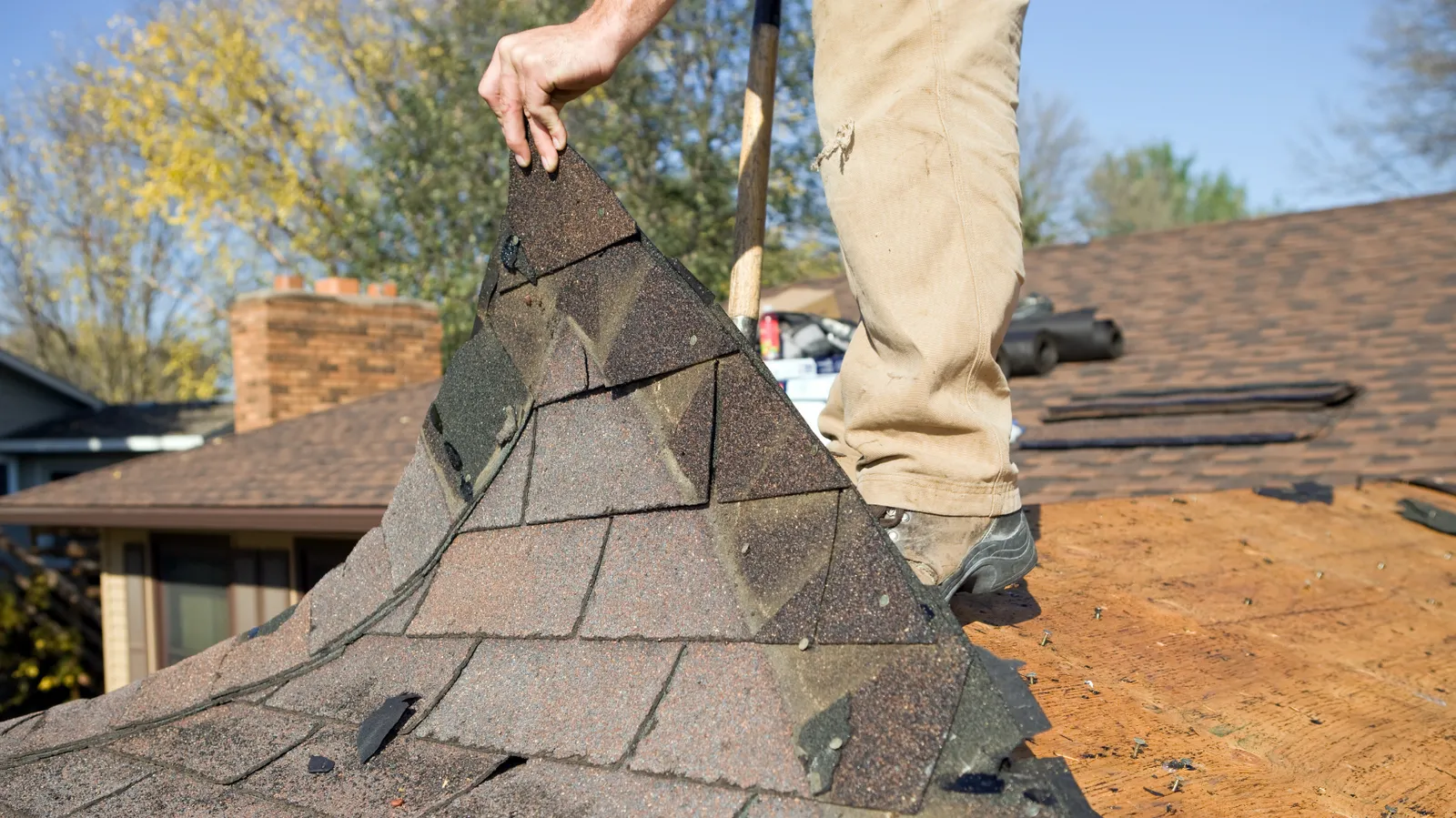
Where water gets into an older Tahlequah roof
The entry points a roofer rules out one by one before the shingle field ever takes the blame.
- 01A shingle a storm lifted
- High wind unseals a tab and rain rides up underneath it, so water crosses the roof beneath shingles that look fine from the yard. A roofer reads the exposed slopes first, since that is where the county's storms do their work.
- 02Flashing at a chimney or wall
- The bent metal tying the roof into a chimney chase or sidewall opens up long before the field wears out, and years of sun and weather work the seam loose on an older home. A roofer reseats or replaces it rather than troweling caulk over the gap.
- 03A valley packed with leaf debris
- On an older roof, a valley fills with debris that dams the water and shoves it sideways under the shingles beside the channel. Clearing and resealing the valley is often the whole fix on a roof like that.
- 04Softened decking on an aged roof
- On the older downtown and NSU homes a roofer presses the sheathing along the trail, because a slow drip works the board soft over seasons, and soft decking turns a simple seal into a small rebuild.
Not sure which one is yours? A documented inspection puts the opening on camera and hands over the dated photos, so whatever you pay to seal is a thing you can point to.
The quiet tells before a ceiling gives way
The early signals worth catching while a leak is still cheap to seal.
- A brown ring on the ceiling that darkens after a windy Tahlequah rain rolls through
- A damp, musty smell in the attic near the chimney chase or a vent stack
- A wet streak or dark trail on the attic sheathing after a storm, well uphill of the ceiling mark
- A vent collar visible from the ground that has cracked, curled, or dried out chalky
- Paint lifting off a ceiling, or a soft spot underfoot in a room below the roofline
Chasing any of these now runs cheaper than waiting until the water reaches the decking and drywall, where a modest seal becomes framing work. If water is actively coming in: photograph first, tarp second; the policy requires reasonable protection and the cost comes back to you. The materials guide covers what sits under the shingles.
What sets a Tahlequah leak-repair bill
One thing sets the bill more than the size of the roof: how far the water traveled before you caught it. A lifted shingle resealed sits at the low end; a run of shot flashing reworked climbs from there.
The one add that moves the math is soft decking. When the sheathing along the water's path has quietly given, cutting it out and swapping the board costs more. A roofer puts a number on it only after the opening is found, and the cost guide sets out the ranges if the roof turns out to be finished.
See the cost ranges- A lifted shingle or a cleared valley sealed on the spot is the cheapest fix there is
- Reworking a run of chimney or wall flashing costs more
- Soft decking found along the trail adds a rebuild line
- No figure is named until the opening is on camera
A Tahlequah leak reads by the roof's age
Which Tahlequah your home sits in shapes how a leak reads. A local roofer answers the one question that matters on the spot: a single tired detail, or a roof running low on years?
Downtown and around NSU the frame houses carry real age, so the field itself may be near done; up on the exposed Southridge lots the roofs are newer and a leak is usually one storm-lifted stretch, with the warranty picture spelled out before you spend a dollar.
- 01Older core, an added question
- Around the historic square and the NSU blocks a roofer weighs whether an aged field is close to spent, not just the one wet spot.
- 02Newer, exposed south side
- On the higher Southridge lots a leak usually traces to a storm-lifted shingle or a loosened flashing leg, sealed without touching the field.
Unsure whether this is one bad detail or a roof low on years? That call is what a roofer puts in your hands, in writing, before a single dollar heads either way.
Leak questions Tahlequah owners ask first
Real answers the minute water shows up inside.
Q1The stain is nowhere near the chimney. Why check the chimney flashing first?
Q2It only leaks in a hard, driving rain. What does that point to?
Q3There is a wet trail on my attic boards but no ceiling stain yet. Is that a leak?
Q4Can leaves in the valleys really cause a leak?
Q5Can this be repaired, or does the whole roof have to go?
Q6How fast does a small leak turn into a real problem?
Find the source before Tahlequah's next rain
A leak never heals on its own, and every storm works a little more water into the wood. Send over what you are seeing, and a local roofer traces the source in the attic, walks you through the photo, and puts one honest figure on paper, whether the fix is a targeted seal or a section rebuilt.