
Gutter Installation in Tahlequah, OK
On older Tahlequah homes, gutters clog with debris and pull loose from aging fascia. A local roofer sizes clear-running troughs and hangs them on sound board.
- Your roofer finding the source, not just the symptom
- No pushing, decide on your own time
- Repair when repair is enough
Call (539) 234-6218
Gutter installation here is a debris and fascia job
Gutter installation in Tahlequah, OK turns on two local realities: seasonal debris that fills a trough between cleanings, and older fascia that a clogged, overflowing run rots quietly from behind.
Water has to leave the roof fast and land well clear of the wall, or it works back into the fascia, the soffit, and the foundation of an aging home. A run sized to the roof, kept clear, and fastened to sound board carries a hard Oklahoma rain past the wall, protecting the house like the roof replacement above it.
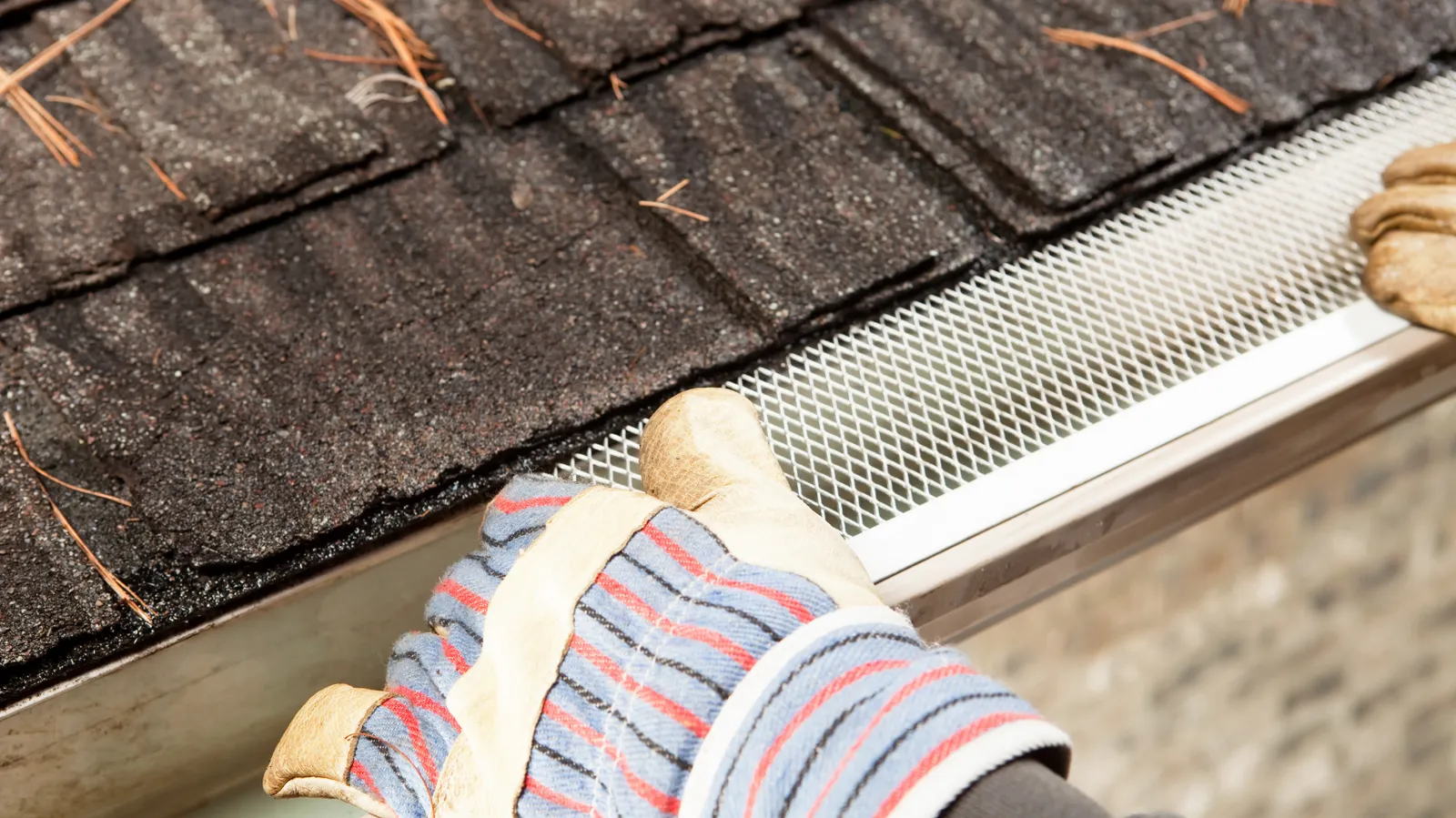
What goes into a Tahlequah gutter run that stays clear
The parts a roofer sets so a hard rain leaves the roof and the trough does not choke.
- 01Rolled seamless right on site
- Forming the whole trough in one continuous length at the truck leaves no mid-run seam to work loose and drip a year down the road. Out on the exposed south-side lots, a heavier-gauge aluminum keeps its shape better when a hard blow hits.
- 02Gauged to the roof above it
- A five-inch channel carries most Tahlequah homes without trouble, while a big, steep, or broken-up roofline usually calls for six-inch and fatter downspouts. The size gets matched to your particular roof, never to whatever the supplier had in stock.
- 03Hung on fascia checked as sound
- On an older home the board behind the gutter is often the real question, since years of overflow soften it. A roofer firms up or replaces soft fascia before new gutter goes on, so the run stays put instead of pulling off the board.
- 04Guards where the debris load earns them
- On roofs with heavy debris load, gutter guards cut how often a run chokes, but they reduce cleaning rather than end it, and a roofer says plainly whether they pay back for your particular property.
Where debris has dented a run or torn it loose, the damage gets checked against the roof edge too, which loops in roof repair.
How a gutter job runs, measure to downspout
Size it to the rain, form or mend the run, then send it clear of the slab.
Sized for a cloudburst, not a drizzle
A roofer starts by reading the roofline to gauge how much runoff each length has to move when the sky really opens, then specs the trough and downspout to match. Those figures are written down before a single hanger goes up.
Patched where it can be, replaced where it can't
A small fault means cutting out only the failed span and splicing it back; a full replacement means a one-piece trough rolled on site and screwed into fascia the roofer has confirmed is solid, so it stays put in a storm rather than tearing off the board.
Discharged past the footing, then photographed
Each downspout is turned so its runoff drops well beyond the foundation, and the finished edge is photographed for your file, letting you see with your own eyes how water leaves the roof.
What a failing gutter run looks like
A fast look at whether yours still does what it should.
- Water spilling over the front edge mid-storm before it ever reaches a downspout
- A trough packed solid with debris and litter
- A run pulling away from the fascia or sagging between its hangers
- A downspout dented or a section torn loose after a storm hit
- Peeling paint or a soft, dark streak on the fascia and soffit behind the gutter
Spot any of these and a documented inspection is worth booking, since a run that has given up is usually telling you something about the board it hangs on.
Storm debris, older board, high wind
The threat to a gutter here is not a hail belt but the debris load above it: seasonal litter loads a run between cleanings, and a hard blow can peel a loose line off the fascia.
On the older streets that board is often decades old, so a run that overflows quietly rots what it hangs on. A roofer treats the trough, the fascia, and the eave as one working assembly.
- 01Loaded by debris, not a downpour
- Debris dams a narrow trough between cleanings, so clearance matters as much as size on an older roof.
- 02The aging board it hangs on
- When a line sags, the older fascia behind it is usually the reason, so that board gets firmed up before new gutter goes on.
Runoff cresting the front lip, or a line starting to sag when the weather hits? One free documented visit takes in the whole roof edge at once.
What Tahlequah owners ask before a gutter job
The things people here raise first.
Q1Repair the run, or replace the whole thing?
Q2The gutters clog constantly with debris. What actually helps?
Q3Do the gutters really matter to the fascia and soffit?
Q4Does a storm or falling debris damage gutters too?
Q5Five-inch gutters, or step up to six?
Q6Is it worth doing gutters with a new roof?
Get the run clear before the next storm
Water going over the lip every storm, or a line pulling loose from the board? A roofer walks the roofline, sizes a one-piece trough to what your roof sheds, and hands you a single figure covering either a patch or a full run.